
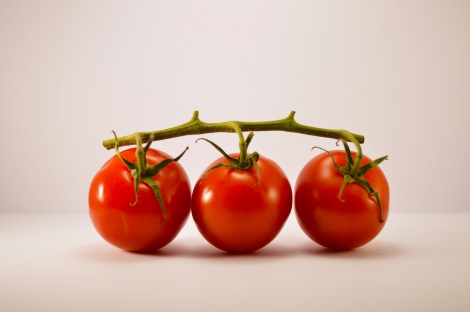
Tomatoes can be a bit controversial. Do you love them or hate them? Are they a fruit or a vegetable? To clear up some facts. Tomatoes are a fruit. A fruit is defined as the mature ovary of a flowering plant, usually containing seeds. Tomatoes fit this botanical definition because they develop from the ovary of the tomato flower and contain seeds.
However, to complicate matters, tomatoes were once classified as a vegetable when the United States, in 1893, resulted in the Supreme Court ruling they should be considered vegetables for tariff and tax purposes. This decision was based on how tomatoes were commonly used; cooking, not eating.
It really doesn’t matter in Spain though. La Tomatina is an annual festival held in the town of Buñol in Valencia. It is known for its unique and fun tradition of participants engaging in a massive tomato fight.
During La Tomatina, participants from all around the world gather in the streets of Buñol to engage in a friendly battle using ripe tomatoes as their ammunition. Trucks loaded with tons of tomatoes are brought into the town centre, and the participants engage in a massive tomato fight that lasts for about an hour. The streets become a sea of red as tomatoes are thrown, squished, and splattered, creating a playful and messy environment.
You still have time to start planting tomatoes so that in late summer, you will have a bumper crop of sweet and juicy fruit. Yes, fruit. Packed full of rich antioxidants, vitamins and minerals, tomatoes are the perfect food to keep you healthy as they are naturally low in sodium, saturated fat, cholesterol, and calories.
Saving the dried seeds from some of your fruit means that you will have another crop ready to go next year and nothing beats growing your own tomatoes. One minute they are on the plant, the next minute they are on your homemade pizza, in your salad or on a fresh slice of bread. Tomato plants love the sun so choose the warmest spot in your garden. If you have a fence or brick wall which gets all-day sun, the tomatoes will love the extra heat.
Because tomatoes are rich in vitamin C, when you feel a sneaky summer cold coming on, try this easy-to-make, immune-boosting tomato tonic. Pick two to three large ripe tomatoes and give them a quick wash. Pop them into a blender with half a glass of water, a squeeze of lemon juice, a small pinch of chilli powder and blend until combined.
Another health benefit of eating tomatoes is that they contain a compound called lycopene which can be beneficial in preventing prostate disease.
Prostate disease is the most common cancer in New Zealand men. Almost 3,500 new cases are diagnosed each year. It is most common in men over the age of 65. Nearly one in 13 men will develop prostate cancer before the age of seventy-five.
Lycopene is a bright red pigment found primarily in tomatoes but also in fruits such as watermelon, pink grapefruit, papaya and the uber-popular health-store product goji berries, a distant relative to the tomato.
Unlike other fruits and vegetables where nutritional content is lost in cooking, processing tomatoes increases the concentration of lycopene. Foods such as tomato paste, and pizza sauces have a higher content of lycopene than raw tomatoes.
Sun-dried tomatoes also contain higher levels than fresh tomatoes and it’s easy to make your own. Cut each tomato in half and pop them onto a baking tray in the oven at the lowest possible temperature. This will take about six hours and be sure to check the tomatoes regularly.
While the sun is shining, and the days a little warmer, perhaps it’s time to dig out a spot for your tomato bed. Cherry tomatoes, Roma tomatoes, beefsteak tomatoes, pear tomatoes (yes, in the shape of a pear, either yellow or red), or, if you are lucky, a neighbour with seeds for heirloom tomatoes to make sure, at least, you have enough for dinner treats, or, to swap, throw or gift to others in need.
 Herbal Health Waiheke