
The recent mockumentary, “The British Meat Miracle”, a made for television, satirical show, exploring the potential of human meat to provide a cheap source of protein in our ‘crisis of living’ worldwide situation left a significant impact on UK viewers.
It sparked a mixture of astonishment, derision, and anger across audiences. Many viewers were vocal about their concerns, expressing how the chosen topic was ethically and morally divisive, and certain aspects of the show, deeply disturbing.
Of course, protein is an essential macronutrient that plays a crucial role in building and repairing tissues, producing enzymes and hormones, and supporting a healthy immune system.
Proteins are composed of amino acids, which are the building blocks for various functions in the body. There are 20 different amino acids, nine of which are essential, meaning our bodies cannot produce them, and we must obtain them through our diet.
Protein requirements vary depending on factors like age, gender, weight, activity level, and overall health. High-quality protein sources in your diet, such as lean meats (beef, chicken, and fish), eggs, dairy products, legumes (lentils, chickpeas, beans), avocado, tofu, tempeh, and quinoa can all improve your health as they provide all essential amino acids required by your body.
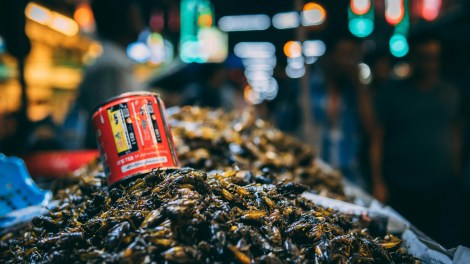
If you feel a little more adventurous, while avoiding satirical advice, our very own University of Otago has shown that crickets can be crushed to make a flour which is considered a sustainable and nutritious alternative to conventional flours and especially rich in protein.
Along with protein, crickets contain healthy fats, vitamins, and minerals, making them a promising food source with a lower environmental footprint compared to the protein available from traditional livestock farming.
University of Otago’s Dr Dominic Agyei’s latest research involves the nutritional composition and food security implications of edible insects, including our own endemic black field cricket which is considered a pasture pest in agricultural circles.
Entomophagy, the practice of eating insects, is more common in certain regions and cultures, particularly in parts of Asia, Africa, and Latin America. In some countries, crickets and other insects have been traditionally consumed as a source of nutrition and protein.
Here in Aotearoa, farming of crickets is already underway. Wairarapa farmer John Hart has more than two million of the little critters stashed away in two shipping containers, happily living and breeding, and farmer Hart says he’s onto a good thing.
While the United States claims that almost 80% of the world’s population utilises some form of insects for protein, this is also reflected in the percentage of people who also utilise indigenous knowledge of plants for their primary health care.
Here in New Zealand, our personal preference, when it comes to eating crickets for protein, may mean options such as cricket-based products such as cricket flour, protein bars, and snacks may be more acceptable than delving into a bowl of crispy fried black crickets at the next backyard barbecue.
If cricket is not your game – pun intended – you can always whip up vegetarian protein-rich dishes such chickpea curry, lentil shepherd’s pie, tofu stir-fry, poke bowls with edamame beans and quinoa. Or, why not step out of your comfort zone, and try one of the 2,111 species of insects which are edible and come in varieties such as sweet, lightly salted, lightly seasoned or chocolate coated. Blueberry scorpion lollipop, anyone?
 Herbal Health Waiheke